* Genes: These are segments of DNA that contain the instructions for making proteins.
* Genetic Code: This code is written in a sequence of three-letter "words" called codons. Each codon corresponds to a specific amino acid, the building blocks of proteins.
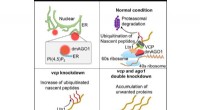
* Protein Synthesis: When a gene is "activated", the DNA sequence is copied into a messenger RNA (mRNA) molecule. This mRNA molecule then travels to the ribosomes, where the genetic code is translated into a protein.
Here's an analogy:
Imagine a recipe for a cake. The recipe is like a gene, and the ingredients are like amino acids. The instructions in the recipe tell you which ingredients to use and in what order. Similarly, the genetic code in a gene tells the cell which amino acids to use and in what order to build a protein.
What do proteins do?
Proteins are essential for almost every function in your body. They are responsible for:
* Structure: Like collagen in skin and bones.
* Enzymes: Catalyzing chemical reactions in your body.
* Hormones: Like insulin, which regulates blood sugar.
* Antibodies: Fighting off infections.
* Transport: Like hemoglobin, which carries oxygen in your blood.
In short, the genetic code in a gene determines the sequence of amino acids in a protein, and this sequence dictates the protein's structure and function.