Plant Cells:
* Shape: Typically rectangular or cubic due to the rigid cell wall.
* Cell Wall: A tough, rigid outer layer made of cellulose that provides structural support and protection. This wall gives the cell its defined shape and prevents it from bursting when water enters.
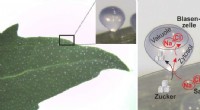
* Large Central Vacuole: A large, fluid-filled sac that stores water, nutrients, and waste products. It also helps maintain turgor pressure, which keeps the cell rigid.
Animal Cells:
* Shape: Often irregular and fluid, taking on various shapes depending on their function.
* No Cell Wall: Animal cells lack a cell wall, giving them more flexibility.
* Smaller Vacuoles: If present, animal cells have smaller vacuoles that are often scattered throughout the cell.
Other Differences:
* Chloroplasts: Plant cells have chloroplasts, which are organelles that contain chlorophyll for photosynthesis. Animal cells do not.
* Centrioles: Animal cells have centrioles, which play a role in cell division. Plant cells do not have centrioles.
In summary: The presence of a rigid cell wall in plant cells is the primary reason for their defined shape, while animal cells have more flexible shapes due to the lack of a cell wall.