Phylum Porifera (Sponges)
* Characteristics: Sessile (attached), filter feeders, with a porous body.
* Examples: Bath sponges, glass sponges
Phylum Cnidaria (Jellyfish, Corals, Sea Anemones)
* Characteristics: Radial symmetry, stinging cells (nematocysts), most have two body forms (polyp and medusa).
* Examples: Jellyfish, corals, sea anemones
Phylum Platyhelminthes (Flatworms)
* Characteristics: Bilateral symmetry, flat body, no internal body cavity (acoelomate).
* Examples: Planarians (free-living), flukes, tapeworms (parasitic)
Phylum Nematoda (Roundworms)
* Characteristics: Unsegmented, cylindrical body, most are microscopic.
* Examples: Pinworms, hookworms, nematodes found in soil and water
Phylum Annelida (Segmented Worms)
* Characteristics: Segmented body, often have bristles (setae).
* Examples: Earthworms, marine worms, leeches
Phylum Mollusca (Snails, Clams, Octopuses)
* Characteristics: Soft body, often with a shell, muscular foot.
* Examples: Snails, clams, octopuses, squids
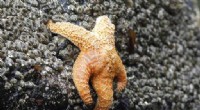
Phylum Echinodermata (Starfish, Sea Urchins, Sea Cucumbers)
* Characteristics: Radial symmetry, spiny skin, water vascular system.
* Examples: Starfish, sea urchins, sea cucumbers
Note: While these phyla include simple aquatic organisms, many of their members have evolved into complex and highly specialized forms. For example, some species of jellyfish are quite large and complex, and octopuses are incredibly intelligent.