1. Homeostasis: This is the most fundamental concept of equilibrium in biology. It refers to the ability of an organism to maintain a stable internal environment despite changes in external conditions. This includes regulating factors like:
* Temperature: Keeping body temperature within a narrow range.
* pH: Maintaining the acidity or alkalinity of bodily fluids within a specific range.
* Blood sugar: Controlling the level of glucose in the bloodstream.
* Fluid balance: Maintaining proper hydration and electrolyte levels.
2. Dynamic Equilibrium: This emphasizes that equilibrium is not a static state but a constantly changing process. Organisms are always adjusting to maintain balance, with adjustments happening in response to internal and external cues.
3. Examples of Dynamic Equilibrium:
* Cellular Respiration: This process involves a delicate balance between the production of energy (ATP) and the production of waste products like CO2.
* Nutrient cycling: The constant movement of nutrients through ecosystems, ensuring a steady supply of resources for all organisms.
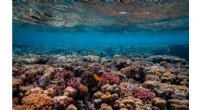
* Ecosystem stability: A balanced ecosystem maintains a diverse range of species, limiting the dominance of any single species and ensuring overall resilience.
4. Importance of Equilibrium:
* Survival: Maintaining equilibrium is essential for survival, as deviations can lead to disease or death.
* Function: Optimal functioning of all biological processes requires a stable internal environment.
* Adaptation: Maintaining equilibrium allows organisms to adapt to changing environmental conditions.
5. Disturbances to Equilibrium:
* Stressors: These can be environmental (like extreme temperatures) or internal (like infection).
* Disease: Disruptions to homeostasis often contribute to disease development.
* Pollution: Contaminants can disrupt natural cycles and throw ecosystems out of balance.
Understanding the concept of equilibrium is crucial in understanding how biological systems function and respond to challenges. It is also critical for addressing environmental issues and promoting the health and well-being of living organisms.