1. Plasma Membrane: This thin, flexible outer layer acts as a barrier, controlling what enters and exits the cell. It's made of phospholipids and proteins.
2. Cytoplasm: This jelly-like substance fills the cell and contains various organelles, dissolved nutrients, and waste products.
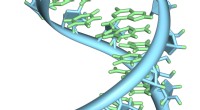
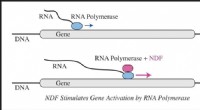
3. DNA (Deoxyribonucleic Acid): This molecule carries the genetic instructions for the cell's activities and is organized into chromosomes in eukaryotic cells.
4. Ribosomes: These tiny structures are responsible for protein synthesis, translating the genetic code from DNA into proteins.
5. Organelles: These specialized structures within the cell perform specific functions:
* Nucleus (in eukaryotic cells): Contains the cell's genetic material (DNA) and controls cellular activities.
* Mitochondria: Powerhouses of the cell, responsible for energy production through cellular respiration.
* Endoplasmic Reticulum (ER): A network of membranes involved in protein and lipid synthesis, detoxification, and calcium storage.
* Golgi Apparatus: Processes and packages proteins and lipids for transport within or outside the cell.
* Lysosomes: Contain enzymes that break down waste materials and cellular debris.
* Vacuoles: Storage compartments for water, nutrients, and waste products.
6. Cellular Respiration: Cells obtain energy from food through a series of chemical reactions known as cellular respiration, primarily occurring in the mitochondria.
7. Growth and Development: Cells grow and divide to create new cells, contributing to the overall growth and development of organisms.
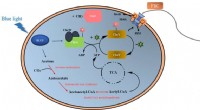
8. Response to Stimuli: Cells can sense and respond to changes in their environment, such as temperature, light, or chemical signals.
9. Reproduction: Cells reproduce through a process called cell division, creating new cells that are identical to themselves.
10. Homeostasis: Cells maintain a stable internal environment by regulating their internal conditions, such as pH, temperature, and nutrient levels.
11. Specialization: In multicellular organisms, cells can specialize to perform specific functions, leading to the formation of tissues, organs, and organ systems.
These are just some of the key features of cells. The specific features and functions of cells can vary depending on their type and role within an organism.