1. Plasma: This is the liquid portion of blood, making up about 55% of its volume. It's a pale yellow fluid composed primarily of water (around 90%) but also contains:
* Proteins: Albumin, globulins, fibrinogen, and other proteins contribute to blood clotting, immune responses, and fluid balance.
* Electrolytes: These minerals, like sodium, potassium, and calcium, are crucial for nerve and muscle function, fluid balance, and other vital processes.
* Nutrients: Glucose, amino acids, fats, and vitamins are transported throughout the body in the plasma.
* Waste products: Urea, creatinine, and bilirubin are transported to the kidneys and liver for excretion.
* Hormones: Chemical messengers produced by various glands travel in the plasma to target cells.
2. Formed elements: These are the cells and cell fragments suspended in plasma. They make up about 45% of blood volume and include:
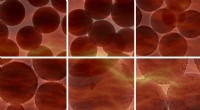
* Red blood cells (Erythrocytes): These biconcave discs are responsible for transporting oxygen from the lungs to the body's tissues. They contain hemoglobin, a protein that binds to oxygen.
* White blood cells (Leukocytes): These are the immune cells of the blood, defending against infections and foreign invaders. They include neutrophils, lymphocytes, monocytes, eosinophils, and basophils, each with specialized functions.
* Platelets (Thrombocytes): These small, cell-like fragments are essential for blood clotting, forming a plug to stop bleeding and repair damaged blood vessels.
Here's a visual representation of the structure of blood:

Key Points to Remember:
* The proportions of plasma and formed elements can vary slightly depending on factors like hydration, health status, and altitude.
* Each component of blood plays a vital role in maintaining homeostasis (balance) within the body.
* Blood tests can reveal important information about a person's health, including infections, anemia, and clotting disorders.