Fundamental Similarities Across All Life Domains:
* Plasma membrane: All cells, from bacteria to humans, have a plasma membrane, a selectively permeable barrier that controls what enters and exits the cell. This points to a common ancestor that had this fundamental feature.
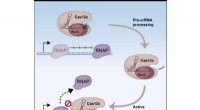
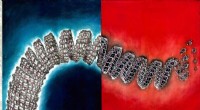
* Genetic material (DNA/RNA): All life forms utilize DNA as their genetic material, storing information in a similar double helix structure. The basic mechanisms of DNA replication, transcription, and translation are remarkably similar across all domains.
* Ribosomes: Ribosomes, the protein-making machinery of cells, are found in all life forms. Although there are some structural differences, they share a common core structure and function.
* Metabolic pathways: Many key metabolic pathways, like glycolysis (the breakdown of glucose) and the citric acid cycle, are found in all forms of life. This suggests these pathways were present in the earliest cells.
* Cytoplasm: The gel-like substance within cells provides a medium for chemical reactions and houses many essential components.
Specific Examples Demonstrating Evolutionary Relationships:
* Organelles: The presence of specific organelles like mitochondria (in eukaryotes) and chloroplasts (in plants) suggests a symbiotic origin. These organelles likely arose from ancient prokaryotic cells that were engulfed by larger cells, ultimately becoming integrated parts of the host.
* Cytoskeleton: The cytoskeleton, a network of protein fibers that provides structure and allows for movement, is present in many forms of life. Variations in the cytoskeleton, particularly in the arrangement of microtubules and microfilaments, provide clues to the evolutionary relationships between different groups of organisms.
Understanding the Evolutionary Journey:
* Prokaryotic vs. Eukaryotic Cells: The fundamental differences between prokaryotic cells (bacteria and archaea) and eukaryotic cells (plants, animals, fungi) highlight the major evolutionary transition that led to the emergence of complex cellular organization.
* Cellular Specialization: While all cells share basic structures, the specialization of cells within multicellular organisms is a testament to the evolutionary drive to adapt and diversify. Different cell types with unique structures perform specific functions, creating the complex tissues and organs that characterize multicellular life.
Overall, the remarkable similarities in cell structure, along with the subtle variations, point to a common ancestor from which all life forms have descended. These similarities provide strong evidence for evolutionary unity and the interconnectedness of life on Earth.