Prokaryotic DNA:
* Location: Found in a central region called the nucleoid, which is not membrane-bound. This means the DNA is directly in contact with the cytoplasm.
* Structure: Typically a single, circular chromosome.
* Size: Generally much smaller than eukaryotic chromosomes.
* Packaging: Less complex than eukaryotic DNA. It's associated with proteins, but not organized into histones and nucleosomes like in eukaryotes.
* Extrachromosomal DNA: Many prokaryotes also have small, circular pieces of DNA called plasmids, which carry genes for special functions like antibiotic resistance.
Eukaryotic DNA:
* Location: Contained within a membrane-bound nucleus.
* Structure: Multiple, linear chromosomes.
* Size: Significantly larger than prokaryotic chromosomes.
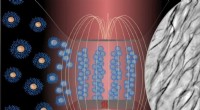
* Packaging: Highly organized. DNA wraps around proteins called histones to form structures called nucleosomes, which further coil and condense into chromatin. This compact structure allows for efficient storage of the large amount of DNA in eukaryotic cells.
* Extrachromosomal DNA: Eukaryotes can also have extrachromosomal DNA in the form of mitochondrial DNA (mtDNA) and, in plants, chloroplast DNA (cpDNA).
Here's a table summarizing the key differences:
| Feature | Prokaryotes | Eukaryotes |
|-----------------|-----------------------|---------------------------|
| Location | Nucleoid (not membrane-bound) | Nucleus (membrane-bound) |
| Chromosome Shape | Single, circular | Multiple, linear |
| Size | Smaller | Larger |
| Packaging | Less complex | Highly organized |
| Extrachromosomal| Plasmids | mtDNA, cpDNA |
In essence, the key difference boils down to:
* Complexity: Eukaryotic DNA is far more complex in its structure and packaging. This is likely a result of the greater amount of genetic information they need to manage.
* Organization: The presence of a nucleus in eukaryotes allows for a highly organized system for controlling DNA replication and expression.
Let me know if you'd like any more details on these topics!