1. Visualizing the Unseen:
* Early Microscopes (17th Century): The invention of the light microscope allowed scientists like Robert Hooke to observe cells for the first time. This laid the groundwork for the cell theory, but early microscopes had limitations, resolving only larger structures.
* Improved Light Microscopy (19th Century): Advancements in lens quality, illumination, and staining techniques provided better resolution and contrast. This led to the discovery of key cellular components like the nucleus, mitochondria, and chloroplasts.
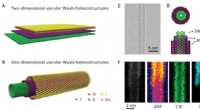
* Electron Microscopy (20th Century): The invention of the electron microscope revolutionized our understanding of cells. Its much higher resolution allowed us to see the intricate details of cellular organelles, including membranes, ribosomes, and the internal structure of the nucleus.
* Confocal Microscopy and Super-Resolution Microscopy (20th-21st Century): These techniques provide 3D images and allow us to visualize specific molecules and structures within cells, even at the nanoscale.
2. Revealing Cellular Processes:
* Time-Lapse Microscopy: By capturing images over time, scientists can observe dynamic cellular processes, such as cell division, migration, and protein trafficking.
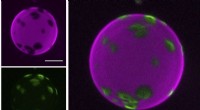
* Fluorescence Microscopy: This technique allows scientists to label specific molecules or structures within cells, enabling the study of their movement, interaction, and function.
* Live-Cell Imaging: Advanced microscopy techniques allow scientists to observe living cells in real-time, providing insights into cellular processes that are impossible to study in fixed samples.
3. Confirmation and Expansion of the Cell Theory:
* Universal Nature of Cells: Improved microscopes have confirmed that all living organisms are composed of cells, strengthening the core principle of the cell theory.
* Complexity of Cellular Structures: The detailed images provided by advanced microscopes have revealed the intricate complexity of cells, highlighting the diverse functions of different organelles and their coordinated activities.
* Cellular Processes: Improved microscopy techniques have helped us understand fundamental cellular processes like DNA replication, protein synthesis, and cell signaling, providing further evidence for the importance of cells as the fundamental units of life.
In Conclusion:
The continuous improvement of microscope technologies has been crucial in pushing the boundaries of our understanding of cells. These advancements have not only confirmed the core principles of the cell theory but have also expanded our knowledge of the incredible complexity and dynamic nature of cells, revealing them as the fundamental building blocks and functional units of life.