Structural Support:
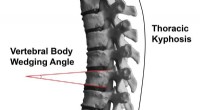
* Skeleton: The human skeleton provides the framework and support for the body, allowing movement and protecting vital organs.
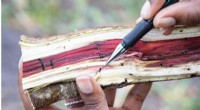
* Stem: Plant stems provide support for the plant, allowing it to grow upright and reach for sunlight. They also hold leaves, flowers, and fruits in the optimal position for growth and reproduction.
Internal Support:
* Skeleton: Bones are made of strong, rigid materials like calcium phosphate and collagen, giving them the strength to support the body's weight.
* Stem: Depending on the plant, stems can have varying levels of internal support. They often contain vascular tissue (xylem and phloem) which transports water and nutrients throughout the plant, contributing to their structural integrity. Some stems also contain rigid tissues like sclerenchyma fibers for added strength.
Growth and Development:
* Skeleton: The human skeleton grows and develops throughout childhood and adolescence, with bones lengthening and strengthening.
* Stem: Plant stems grow in length and width through the processes of cell division and differentiation. They can also develop specialized structures like branches and thorns.
Adaptation to Environment:
* Skeleton: The human skeleton has evolved over millions of years to adapt to different environments and lifestyles. For example, people who live in areas with high gravity may have denser bones.
* Stem: Plant stems have adapted to various environments, developing different structures to cope with varying levels of sunlight, water availability, and wind conditions. For example, desert plants have adapted to conserve water with thick, fleshy stems, while trees in windy areas develop strong, thick branches.
Key Differences:
* Material: Human skeletons are made of bones, which are hard, rigid structures composed of calcium phosphate and collagen. Plant stems are primarily made of cellulose, a more flexible material.
* Growth: Humans reach their full height and bone development in adolescence. Plant stems can continue to grow throughout their life, with some even reaching incredible heights.
* Function: The human skeleton is primarily responsible for support, movement, and protection. Plant stems are responsible for support, nutrient transport, and photosynthesis.
In summary, while human skeletons and plant stems are very different in composition and function, they both share the common role of providing structural support and allowing for growth and development. This is a fascinating example of how nature often uses similar principles to solve different problems.