Here's why:
* Submerged and exposed to air: Intertidal zones are the areas between high and low tide marks, meaning organisms here experience regular periods of being underwater and then exposed to the air.
* Heat, battering waves, and strong currents: These are all characteristic challenges of the intertidal zone. The sun can heat the exposed rocks and sand, waves can be powerful and crashing, and currents can be strong, especially during high tide.
Examples of intertidal organisms:
* Barnacles: These crustaceans cling tightly to rocks to withstand the waves.
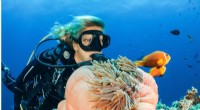
* Sea anemones: These animals have sticky tentacles to capture food and can withstand periods of dryness.
* Sea stars: They can hold onto rocks with their tube feet and move quickly to avoid being swept away by currents.
* Seaweeds (algae): They can tolerate being submerged and exposed to air and are adapted to withstand the harsh conditions.