1. Genetics:
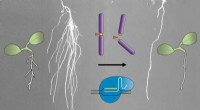
* Genes: These are the blueprints for building and maintaining an organism. They provide instructions for creating proteins, which in turn influence the development and structure of tissues and organs.
* Mutations: Changes in genes can lead to variations in the shape and arrangement of body parts, sometimes resulting in advantageous traits.
2. Development:
* Embryonic Development: During the early stages of life, cells divide and differentiate into specialized tissues and organs, shaping the organism's form.
* Environmental Factors: Environmental cues, such as temperature, nutrients, and light, can influence developmental processes and ultimately affect the final shape of body parts.
3. Evolution:
* Natural Selection: Organisms with advantageous shapes and arrangements of body parts are more likely to survive and reproduce, passing on these traits to their offspring.
* Adaptation: Over time, evolution shapes organisms to best suit their environment, leading to diverse body forms.
4. Functional Requirements:
* Form Follows Function: The shape and arrangement of body parts are often optimized for their specific functions. For example, the wings of a bird are shaped for flight, while the long neck of a giraffe allows it to reach high foliage.
5. Homeostasis:
* Internal Equilibrium: The body's internal environment must be maintained within a narrow range. This includes regulating temperature, fluid balance, and other factors that can influence the shape and arrangement of body parts.
It's important to note that these factors work together in a complex and interconnected manner. For example, genetic instructions influence development, which is also influenced by environmental factors. This interplay leads to the incredible diversity of shapes and arrangements seen in the natural world.