1. Plants: This is the group that most people think of when they hear "photosynthesis". All plants, from tiny mosses to towering trees, are capable of photosynthesis. They contain chloroplasts, which hold the chlorophyll that absorbs sunlight for energy.
2. Algae: These are a diverse group of aquatic organisms that range from single-celled organisms to seaweed. They contain chlorophyll and perform photosynthesis, playing a crucial role in aquatic ecosystems.
3. Cyanobacteria: These are single-celled prokaryotes (bacteria) that are known for their ability to perform photosynthesis. They are incredibly important in the environment, having been responsible for oxygenating Earth's atmosphere billions of years ago.
4. Some Protists: Some single-celled eukaryotic organisms, like Euglena, can perform photosynthesis. These organisms are often considered to be a bridge between plants and animals.
5. Rare Exceptions:
* Certain bacteria: A few species of bacteria have adapted to use different sources of energy for photosynthesis, such as sulfur or iron.
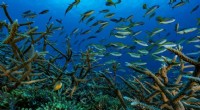
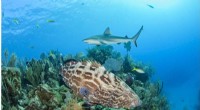
* Some animals: While not directly photosynthetic, some animals have symbiotic relationships with photosynthetic organisms. For example, corals house algae (zooxanthellae) within their tissues.
Key takeaway: While plants are the most familiar photosynthetic organisms, a diverse range of life forms are capable of this process. Photosynthesis is vital for the balance of life on Earth, providing the foundation for many food chains and generating the oxygen we breathe.