1. Decomposition and Nutrient Cycling:
* Breakdown of organic matter: Macroorganisms like earthworms, millipedes, and termites break down dead plant and animal material into smaller particles, facilitating decomposition.
* Nutrient release: This breakdown process releases nutrients like nitrogen, phosphorus, and potassium back into the soil, making them available for plant uptake.
2. Soil Structure Improvement:
* Improving aeration and drainage: Macroorganisms create burrows and tunnels in the soil, improving aeration and drainage, which are crucial for root growth and microbial activity.
* Aggregation: Earthworms, in particular, are known for their role in soil aggregation, creating stable soil clumps that increase water retention and reduce erosion.
3. Seed Dispersal and Germination:
* Seed dispersal: Some macroorganisms, like ants and beetles, transport seeds, helping in plant dispersal and colonizing new areas.
* Seed germination: Earthworms' casts (excrement) often contain seeds and nutrients, promoting germination and plant growth.
4. Pest Control:
* Predation: Macroorganisms like ground beetles and spiders prey on pests, helping to control their populations.
* Parasitism: Some macroorganisms like nematodes are parasitic on other invertebrates, further contributing to pest control.
5. Bioturbation:
* Mixing of soil layers: Macroorganisms' activities mix different soil layers, improving soil fertility and creating a more heterogeneous environment.
* Vertical transport of nutrients: They move nutrients from deeper soil layers to the surface, making them available for plants.
Examples of macroorganisms in soil:
* Earthworms: Essential for decomposition, soil structure improvement, and nutrient cycling.
* Insects: Beetles, ants, termites, and millipedes play roles in decomposition, seed dispersal, and pest control.
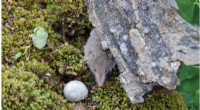
* Vertebrates: Rodents, moles, and amphibians contribute to soil aeration, nutrient cycling, and seed dispersal.
In conclusion, macroorganisms are essential components of healthy soil ecosystems. Their activities enhance soil fertility, structure, and biodiversity, contributing to a more productive and sustainable environment.