Here's why:
* Classification Systems: Biological classification systems, like the Linnaean taxonomy, group organisms based on shared traits.
* Hierarchy: These systems are hierarchical, meaning they go from broad categories (like Kingdom) to increasingly specific categories (like Species).
* Shared Ancestry: Organisms grouped at higher levels (like Class or Order) share a more distant common ancestor. As you move down to lower levels (like Family or Genus), organisms share a more recent common ancestor and therefore more similarities.
Example:
* Humans and Dogs: Both are mammals, which puts them in the same Class. They share characteristics like having fur, giving birth to live young, and nursing their offspring.
* Humans and Chimpanzees: Both are primates, which places them in the same Order. They share even more characteristics, like having five-fingered hands, a more developed brain, and complex social structures.
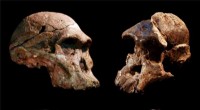
* Humans and Homo erectus: Both are in the same Genus, Homo. This means they are very closely related and share even more similarities.
In summary, the more classification levels two organisms share, the closer their evolutionary relationship and the more traits they will have in common.