1. Cell Wall: A rigid outer layer that provides structural support and protection. It's composed of cellulose, hemicellulose, and pectin.
2. Cell Membrane: A thin, flexible layer that controls what enters and exits the cell. It's composed of a phospholipid bilayer.
3. Cytoplasm: The gel-like substance that fills the cell and contains organelles. It's mostly water, but also contains dissolved sugars, salts, and proteins.
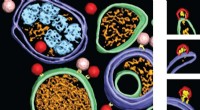
4. Nucleus: The control center of the cell, containing the genetic material (DNA). It's surrounded by a double membrane called the nuclear envelope.
5. Chloroplasts: The sites of photosynthesis, where sunlight is converted into chemical energy. They contain chlorophyll, which gives plants their green color.
6. Mitochondria: The powerhouses of the cell, where energy is produced through cellular respiration.
7. Vacuole: A large, fluid-filled sac that stores water, nutrients, and waste products. It also helps maintain cell turgor pressure.
It's important to note that not all plant cells have the same components in the same abundance. For instance, mature xylem cells lose their cytoplasm and nucleus, becoming essentially empty tubes for water transport.