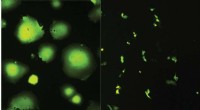
Rough ER is characterized by ribosomes attached to its surface, giving it a "rough" appearance. This is where protein synthesis and modification occur. Cells with high protein synthesis rates, like those producing hormones, enzymes, or antibodies, tend to have more rough ER.
Examples of cells with prominent rough ER include:
* Pancreatic cells: Produce digestive enzymes
* Plasma cells: Produce antibodies
* Liver cells: Synthesize proteins for blood clotting and other functions
Smooth ER lacks ribosomes and appears smooth under the microscope. It is involved in various functions, including:
* Lipid synthesis: Cholesterol, phospholipids, and steroid hormones are produced here.
* Detoxification: Smooth ER enzymes break down toxins and drugs.
* Calcium storage: Smooth ER regulates calcium levels within the cell, crucial for muscle contraction and other processes.
Cells with a high demand for lipid synthesis or detoxification, like those in the liver and adrenal glands, tend to have more smooth ER.
Therefore, it's not about specific organisms but rather the specific cell types within those organisms that have more of one type of ER over the other.