1. Acellular Structure:
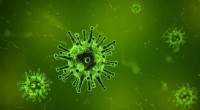
* Viruses are not cells: They lack the basic cellular components found in other microbes, such as a cell membrane, cytoplasm, and ribosomes. Instead, they consist of genetic material (DNA or RNA) enclosed within a protein coat called a capsid. Some viruses also have an outer envelope made of lipids and proteins.
* Bacteria, fungi, and parasites are all cellular organisms: They have their own cell structure and can reproduce independently.
2. Reproduction:
* Viruses are obligate intracellular parasites: This means they can only reproduce within a living host cell. They hijack the host cell's machinery to replicate their genetic material and create new virus particles.
* Other microbes can reproduce independently: They don't require a host cell for multiplication.
3. Metabolism:
* Viruses lack their own metabolic machinery: They cannot produce energy or synthesize their own proteins. They rely on the host cell for these functions.
* Other microbes have their own metabolic pathways: They can generate energy and synthesize necessary molecules on their own.
4. Size and Shape:
* Viruses are much smaller than bacteria, fungi, or parasites: They are typically only a few nanometers in diameter.
* Other microbes are generally larger: Bacteria can be a few micrometers in size, fungi can be even larger, and parasites vary in size.
5. Sensitivity to Antimicrobials:
* Viruses are not susceptible to antibiotics: Antibiotics target bacterial cell processes, which viruses lack.
* Other microbes can be treated with antibiotics or antifungals: These drugs target specific cellular functions of the respective organisms.
Here's a simple analogy: Imagine a virus as a blueprint that needs a factory to build copies of itself. The factory is the host cell. Bacteria, on the other hand, are already factories capable of self-replication.
In summary: Viruses are distinct from other microbes because they lack a cellular structure, are obligate intracellular parasites, lack metabolic activity, are extremely small, and are not susceptible to antibiotics.