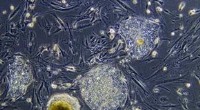
Think of a cell as a tiny factory. Just like a factory has different machines for different tasks, cells have organelles that each have a specific job.
Here are some examples of organelles and their functions:
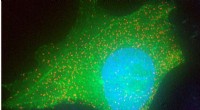
* Nucleus: The control center of the cell. It contains the genetic material (DNA) that directs the cell's activities.
* Ribosomes: Tiny factories that produce proteins, essential for all cell functions.
* Endoplasmic Reticulum (ER): A network of membranes involved in protein and lipid synthesis, as well as detoxification.
* Golgi Apparatus: A stack of flattened sacs that process and package proteins and lipids.
* Mitochondria: The powerhouses of the cell, responsible for producing energy (ATP) through cellular respiration.
* Lysosomes: Garbage disposal units that break down waste materials and cellular debris.
* Vacuoles: Storage compartments for water, nutrients, and waste products.
* Chloroplasts (in plant cells): Sites of photosynthesis, where light energy is converted into chemical energy.
* Cell Wall (in plant cells): A rigid outer layer that provides structural support and protection.
This is just a brief overview. There are many other organelles within a cell, each with its own specialized role. The coordinated actions of these organelles allow the cell to function properly and contribute to the overall health of the organism.