Microbiology encompasses the study of:
* Bacteria: single-celled prokaryotes
* Archaea: another type of single-celled prokaryote
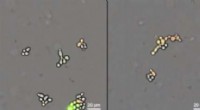
* Fungi: eukaryotic organisms, including molds, yeasts, and mushrooms
* Protozoa: single-celled eukaryotic organisms
* Viruses: non-living entities that require a host to replicate
* Algae: photosynthetic eukaryotic organisms
Microbiologists study the characteristics, growth, metabolism, genetics, and interactions of these organisms. They also explore the roles they play in the environment, human health, and industry.