Here's a breakdown of what makes them special:
Types of Microorganisms:
* Bacteria: Single-celled organisms with a simple structure, often found in diverse habitats. They can be helpful (like those in our gut) or harmful (like those causing infections).
* Archaea: Similar to bacteria but with unique biochemistry and often thrive in extreme environments like hot springs or salty lakes.
* Fungi: Diverse group including yeasts, molds, and mushrooms. They are important decomposers and play a role in food production.
* Viruses: Non-cellular entities that require a host cell to replicate. They can cause diseases like the flu or COVID-19.
* Protozoa: Single-celled eukaryotic organisms, more complex than bacteria and archaea. Some are beneficial, while others cause diseases like malaria.
* Algae: Plant-like organisms that can be single-celled or multicellular. They are important producers in aquatic ecosystems.
Key Characteristics of Microorganisms:
* Tiny size: They are measured in micrometers (µm) and require microscopes for visualization.
* Ubiquitous: Found everywhere on Earth.
* Metabolic diversity: They exhibit a wide range of metabolic pathways, from photosynthesis to chemosynthesis.
* Rapid reproduction: Some microorganisms can reproduce very quickly, leading to large populations.
* Essential for life: Play crucial roles in ecosystems, including nutrient cycling, decomposition, and food production.
Importance of Microorganisms:
* Food production: Used in fermentation (bread, yogurt, cheese) and for production of alcoholic beverages.
* Biotechnology: Used to produce medicines, enzymes, and biofuels.
* Environmental health: Decomposers in soil, water, and air, helping to break down organic matter.
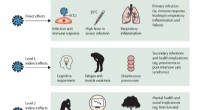
* Human health: Some are beneficial (gut microbiome) while others cause diseases (infections).
Studying Microorganisms:
* Microbiology: The branch of biology that studies microorganisms.
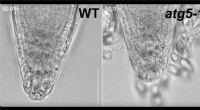
* Microscopy: Tools like light microscopes and electron microscopes are used to visualize microorganisms.
* Cultivation techniques: Growing microorganisms in controlled laboratory settings allows for their study.
Microorganisms are a fascinating and diverse group of organisms that play a vital role in our world. Understanding their characteristics and impact is essential for fields like medicine, agriculture, and environmental science.