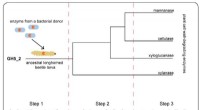
1. Secretion of Enzymes: Fungi release enzymes, which are biological catalysts, into their surroundings.
2. Breakdown of Organic Matter: These enzymes break down complex organic matter like dead plants, animals, or even waste products, into simpler molecules.
3. Absorption of Nutrients: The fungi then absorb these simpler molecules through their cell walls and membranes.
Here's a breakdown of the different ways fungi get their food:
* Saprophytes: These fungi feed on dead organic matter. They play a crucial role in decomposition, recycling nutrients back into the ecosystem.
* Parasites: These fungi obtain nutrients from living organisms, harming the host in the process. Examples include athlete's foot and Dutch Elm disease.
* Mutualists: Some fungi form symbiotic relationships with other organisms, benefiting both partners. For example, mycorrhizal fungi live in the roots of plants, providing them with water and nutrients, while the plants provide the fungi with sugars.
Key points to remember about fungal nutrition:
* No photosynthesis: Fungi do not make their own food like plants do.
* External digestion: Fungi digest their food outside their bodies through enzyme secretion.
* Diverse feeding strategies: Fungi have evolved various ways to obtain nutrients, contributing to their ecological diversity.
Let me know if you'd like to know more about any specific type of fungi or its feeding strategy!