* Multicellularity: The very nature of being a multicellular organism implies that cells exist in groups. It's not a specific event or condition, but a defining characteristic of lifeforms like humans, animals, plants, and fungi.
* Tissues and Organs: Within multicellular organisms, cells specialize and form tissues and organs. These structures represent highly organized groups of cells working together for specific functions.
* Cell-Cell Interactions: The interactions between cells within a group are crucial for their survival and function. This includes communication through signaling molecules, structural connections, and shared resources.
Terms related to cell groups:
* Tissue: A group of similar cells working together to perform a specific function.
* Organ: A structure composed of different tissues working together for a common purpose.
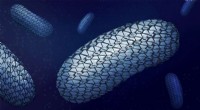
* Colony: In some cases, single-celled organisms can live in groups called colonies. These are usually less organized than tissues or organs.
So, while there's no single term for the act of a cell "living among a group of other cells", the concept is fundamental to multicellularity and is encompassed by various terms describing cell organization and interactions.