Here's a breakdown:
* Flowers are the reproductive parts of plants. They contain both male and female reproductive structures.
* Male parts: The stamen produces pollen, which contains the male gametes (sperm cells).
* Female parts: The pistil contains the ovary (which holds the egg cells) and the stigma, a sticky surface that receives pollen.
* Pollination: The process of transferring pollen from the stamen to the stigma. This can be done by wind, water, insects, or other animals.
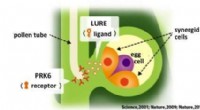
* Fertilization: Once pollen lands on the stigma, it travels down the pistil to the ovary, where it fertilizes the egg cells.
* Seed formation: After fertilization, the ovary develops into a fruit, which contains the seeds.
So, while plants don't have "genitals" in the traditional sense, they have specialized structures within their flowers for sexual reproduction.