Terrestrial Biomes:
* Tundra: Cold, treeless, with permafrost, found in the Arctic and high altitudes.
* Boreal Forest (Taiga): Coniferous forest with long, cold winters, found in northern latitudes.
* Temperate Deciduous Forest: Forests with broad-leaved trees that lose their leaves in fall, found in mid-latitude regions.
* Temperate Grassland: Grasslands with hot summers and cold winters, found in interior continents.
* Tropical Rainforest: Warm, humid forests with high biodiversity, found near the equator.
* Tropical Savanna: Grasslands with scattered trees, found in tropical regions with distinct wet and dry seasons.
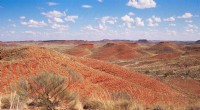
* Desert: Dry, arid regions with sparse vegetation, found in various latitudes.
Aquatic Biomes:
* Marine: The largest biome, encompassing oceans, seas, and coral reefs.
* Freshwater: Includes lakes, rivers, streams, and wetlands.
Other Biomes:
* Mountains: Varying conditions with altitude, with different biomes occurring at different elevations.
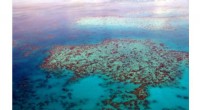
* Coral Reefs: Underwater ecosystems characterized by diverse marine life, primarily corals.
* Mangrove Swamps: Coastal ecosystems with salt-tolerant trees, found in tropical and subtropical areas.
Specific Examples:
* Arctic Tundra: The tundra of northern Canada, Alaska, and Russia.
* Amazon Rainforest: The rainforest of the Amazon basin in South America.
* Great Barrier Reef: The largest coral reef system in the world, located off the coast of Australia.
* Serengeti National Park: A savanna ecosystem in Tanzania, Africa.
* Sahara Desert: The largest hot desert in the world, covering most of North Africa.
It's important to note that biomes are not distinct, well-defined areas but rather gradients. They transition into each other, and there can be considerable variation within each biome depending on factors like climate, soil, and elevation.