Early Observations:
* Robert Hooke (1665): Using a primitive microscope, Hooke observed thin slices of cork and saw tiny compartments, which he named "cells" due to their resemblance to the cells of a monastery. However, he didn't understand their true nature or significance.
* Antonie van Leeuwenhoek (1674): This Dutch scientist, known as the "Father of Microbiology," used his own powerful microscopes to observe living organisms like bacteria, protozoa, and red blood cells. He even observed sperm cells, providing crucial insights into reproduction.
The Cell Theory:
* Theodor Schwann and Matthias Schleiden (1838-1839): Building upon previous observations, Schwann and Schleiden independently proposed the "cell theory," which stated that all living organisms are composed of cells. They also suggested that cells are the basic unit of structure and function in all living things.
* Rudolf Virchow (1855): This German physician added the final piece of the cell theory by proposing that all cells arise from pre-existing cells. This concept, known as "Omnis cellula e cellula," essentially refuted the idea of spontaneous generation and solidified the understanding of cell reproduction.
Further Refinement:
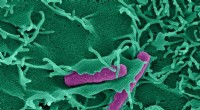
* Advances in microscopy: The development of more powerful microscopes, such as electron microscopes, allowed scientists to visualize the intricate details of cells, including their internal structures (organelles) and the molecular processes occurring within them.
* Molecular biology techniques: Modern techniques like DNA sequencing, gene editing, and fluorescent labeling have provided a deeper understanding of the composition, function, and interactions of cells at the molecular level.
In summary, the discovery of cells was a process of observation, hypothesis, and refinement that spanned centuries. Scientists like Hooke, Leeuwenhoek, Schwann, Schleiden, and Virchow laid the foundation for our current understanding of cells as the fundamental units of life.