1. DNA: The Blueprint of Life
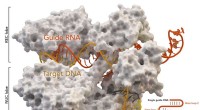
* Genes are segments of DNA (deoxyribonucleic acid). DNA is a long, complex molecule that contains the genetic code of an organism.
* This code is made up of four chemical bases: adenine (A), guanine (G), cytosine (C), and thymine (T).
* The specific sequence of these bases within a gene determines the instructions for building a particular protein.
2. From DNA to RNA: Transcription
* The first step in using a gene's instructions is transcription. In this process, a copy of the gene's DNA sequence is made in the form of messenger RNA (mRNA).
* mRNA is a single-stranded molecule that can travel out of the cell's nucleus and into the cytoplasm.
3. Building Proteins: Translation
* In the cytoplasm, the mRNA sequence is read by ribosomes, complex cellular machinery.
* Ribosomes use the mRNA code to assemble amino acids into a specific chain, forming a protein.
* The sequence of amino acids in the protein is dictated by the order of bases in the gene.
4. Proteins: The Workhorses of the Cell
* Proteins are the workhorses of the cell. They perform a wide variety of functions, including:
* Structural components: Providing support and shape to cells and tissues.
* Enzymes: Catalyzing (speeding up) biochemical reactions.
* Hormones: Regulating various bodily processes.
* Antibodies: Defending against infections.
* Transport proteins: Moving substances across cell membranes.
5. From Proteins to Traits
* The proteins produced by genes influence the organism's traits, or characteristics.
* For example, genes involved in eye color determine the production of pigments that give eyes their color.
* Some traits are determined by single genes (e.g., sickle cell anemia), while others are influenced by multiple genes (e.g., height, skin color).
Key Points:
* Genes provide the instructions for building and maintaining an organism.
* These instructions are encoded in the sequence of DNA bases.
* Genes are transcribed into mRNA, which is translated into proteins.
* Proteins carry out a wide variety of functions that ultimately shape an organism's traits.
In essence, genes determine the characteristics of organisms by controlling the production of proteins, which are the key players in shaping an organism's structure, function, and behavior.