Here's why:
* DNA as a blueprint: DNA contains the genetic code, which is a set of instructions for building and maintaining an organism. This code is organized into genes, each of which contains the information for making a specific protein.
* Proteins as the workhorses: Proteins are the building blocks and functional units of cells. They perform a vast array of tasks, including:
* Structural support: Proteins like collagen give tissues strength and form.
* Enzymes: Proteins that catalyze (speed up) chemical reactions.
* Hormones: Proteins that act as chemical messengers.
* Antibodies: Proteins that help fight off infections.
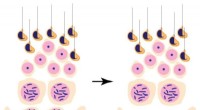
* Regulation of cell processes: DNA also contains genes that regulate cell growth and reproduction. These genes control the timing and rate of cell division, ensuring that cells grow and divide appropriately.
The process of making proteins from DNA instructions:
1. Transcription: DNA is copied into RNA, a messenger molecule.
2. Translation: RNA is used as a template to assemble amino acids into a protein chain.
3. Protein folding: The protein chain folds into a specific three-dimensional shape, which determines its function.
In short, DNA holds the essential information for building proteins, which are essential for all cell functions, including growth and reproduction.