Here's a breakdown:
* Nucleolus: This is the site of ribosome synthesis within the nucleus of a cell. It's made up of RNA and proteins.
* Ribosomes: These are essentially protein factories. They read genetic instructions from messenger RNA (mRNA) and use them to assemble amino acids into proteins.
* Proteins: Proteins are the building blocks of the body. They perform countless functions, from building tissues and organs to carrying oxygen in the blood and fighting infections.
In summary, the nucleolus indirectly contributes to the function of every part of the human body by producing ribosomes, which are essential for protein synthesis.
Here are some examples of how protein synthesis impacts different parts of the body:
* Muscles: Proteins are crucial for muscle growth and repair.
* Nervous system: Proteins are essential for the function of neurons, the cells that transmit nerve impulses.
* Immune system: Proteins like antibodies are vital for fighting off infections.
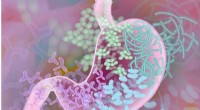
* Digestive system: Proteins are needed for the production of enzymes that break down food.
* Skin: Proteins are essential for maintaining the integrity of the skin.
So, while the nucleolus itself is not a part of the human body, its role in ribosome production is critical for the proper functioning of every cell and organ system.