Key Characteristics:
* Multicellularity: The most defining characteristic. Instead of a single cell, their bodies are composed of many specialized cells working together.
* Eukaryotic Cells: These cells have a nucleus and other membrane-bound organelles, unlike bacteria and archaea.
* Heterotrophic: They obtain their food from consuming other organisms (plants, animals, or organic matter).
* Motility: Most multicellular animals are capable of movement at some stage in their life cycle.
* Specialized Cells: Different types of cells (muscle, nerve, epithelial, etc.) perform specific functions, leading to complex organization.
* Tissues, Organs, and Organ Systems: Cells are organized into tissues, tissues into organs, and organs into organ systems to carry out complex processes like digestion, respiration, and reproduction.
Examples:
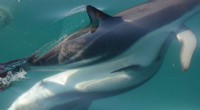
* Mammals: Humans, dogs, cats, whales, etc.
* Birds: Eagles, sparrows, penguins, etc.
* Fish: Salmon, sharks, tuna, etc.
* Reptiles: Lizards, snakes, turtles, etc.
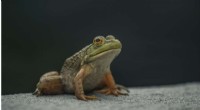
* Amphibians: Frogs, toads, salamanders, etc.
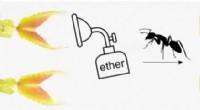
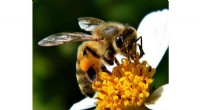
* Insects: Ants, bees, butterflies, etc.
* Worms: Earthworms, flatworms, etc.
Differences from Single-celled Organisms:
Multicellular animals are significantly more complex than single-celled organisms. Their specialized cells allow them to perform more complex tasks, adapt to diverse environments, and exhibit a wider range of behaviors.