Biological influences are the ways in which living organisms interact with each other and their environment, impacting their survival, growth, and overall well-being. These interactions are crucial for shaping the structure and function of ecosystems. Here are some key categories of biological influences:
1. Competition:
* Inter-specific competition: Competition between different species for resources like food, water, space, mates, or light. For example, lions and hyenas compete for prey.
* Intra-specific competition: Competition between individuals of the same species for the same resources. For example, two male deer competing for a mate.
2. Predation:
* The act of one organism (predator) killing and consuming another organism (prey). Predation helps regulate prey populations and influences prey behavior and evolution.
3. Mutualism:
* A symbiotic relationship where both organisms benefit from the interaction. Examples include:
* Pollination: Bees and other insects benefit from the nectar and pollen of flowers, while the flowers benefit from being pollinated.
* Cleaner fish: Small fish clean parasites off larger fish, getting a meal while providing a service.
4. Commensalism:
* A symbiotic relationship where one organism benefits, and the other is neither harmed nor benefited. Examples include:
* Barnacles on whales: Barnacles benefit from a stable substrate to grow, while the whale is not affected.
5. Parasitism:
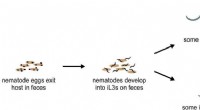
* A symbiotic relationship where one organism (parasite) benefits at the expense of another organism (host). Examples include:
* Tapeworms: Live inside the intestines of their hosts, absorbing nutrients and causing harm.
6. Herbivory:
* The act of an animal consuming plants. Herbivores play a crucial role in controlling plant populations and influencing plant evolution.
7. Disease and Pathogens:
* Microorganisms like bacteria, viruses, and fungi can cause diseases that affect the health and survival of organisms. Diseases can spread through various means, influencing population dynamics and ecosystem stability.
8. Bioaccumulation:
* The build-up of toxins in organisms over time, especially through consumption of contaminated prey. This can have significant negative effects on individuals and entire ecosystems.
9. Keystone Species:
* A species that has a disproportionately large impact on the structure and function of an ecosystem. Their absence can drastically change the entire ecosystem. Examples include:
* Wolves: In Yellowstone National Park, wolves helped control elk populations, leading to changes in plant communities and river ecosystems.
10. Food Webs and Trophic Levels:
* The complex network of feeding relationships within an ecosystem. The position of an organism in the food web (trophic level) influences its role and how it interacts with other organisms.
Consequences of Biological Influences:
* Population regulation: Biological influences, particularly predation, competition, and disease, can help regulate population sizes and prevent overgrazing or resource depletion.
* Species diversity: Competition and predation can promote species diversity by preventing any one species from dominating the ecosystem.
* Ecosystem stability: Balanced interactions between organisms contribute to ecosystem stability and resilience in the face of disturbances.
* Evolutionary change: Biological influences, such as predation and competition, drive natural selection, leading to evolutionary adaptations in organisms.
Understanding these biological influences is crucial for comprehending the complex dynamics of ecosystems and for conservation efforts aimed at maintaining biodiversity and ecological integrity.