1. Metabolic Detoxification
* Enzymes: The liver is the primary site for metabolic detoxification. It houses a vast array of enzymes that break down toxins into less harmful forms.
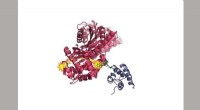
* Phase I Enzymes: These enzymes modify the toxin's structure, often by adding a hydroxyl group (OH) to make it more water-soluble. Examples include cytochrome P450 enzymes.
* Phase II Enzymes: These enzymes conjugate (attach) the modified toxin to another molecule (like glucuronic acid, glutathione, or sulfate) making it even more water-soluble and easier to excrete.
* Other Organs: Other organs like the kidneys, intestines, and lungs also have detoxifying enzymes.
2. Elimination Pathways
* Urine: The kidneys are the primary route for eliminating water-soluble toxins through urine.
* Feces: The intestines eliminate toxins that are not absorbed into the bloodstream, as well as those that have been modified by the liver and excreted into the bile.
* Sweat: The skin eliminates some toxins through sweat, but this is a less significant route than urine or feces.
* Breath: Lungs can exhale volatile toxins.
3. Other Mechanisms
* Antioxidants: These molecules, such as vitamins C and E, protect cells from damage caused by free radicals, which are reactive molecules that can damage cells and contribute to disease.
* Immune System: The immune system identifies and eliminates foreign invaders and toxins.
Specific Examples:
* Alcohol: The liver metabolizes alcohol into acetaldehyde, which is then further broken down into acetate and excreted.
* Drugs: Many drugs are metabolized in the liver, making them less active and easier to excrete.
* Heavy Metals: Some heavy metals, like mercury, are detoxified by binding to proteins or other molecules, making them less toxic and easier to eliminate.
Important Considerations:
* Individual Variations: Detoxification pathways can vary between individuals based on genetics, age, health status, and other factors.
* Environmental Factors: Exposure to toxins can overwhelm the body's detoxification mechanisms.
* Lifestyle Factors: A healthy lifestyle, including a balanced diet, regular exercise, and avoiding excessive alcohol and smoking, can support efficient detoxification processes.
It's crucial to remember that the body's detoxification processes are complex and multifaceted. If you have concerns about exposure to toxins, consult a healthcare professional.