Here's a breakdown:
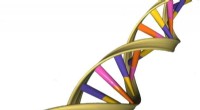
* DNA holds the genetic code: DNA contains the instructions for building and maintaining an organism. These instructions are organized into genes, which code for specific proteins.
* Proteins are the workhorses of the cell: Proteins carry out a vast array of functions, from building structures to transporting molecules to catalyzing chemical reactions.
* DNA controls protein production: Through a complex process called gene expression, DNA directs the creation of specific proteins. This process involves transcription (copying the DNA code into RNA) and translation (using the RNA code to build a protein).
Therefore, DNA directly controls how cells are formed and their activities by dictating the production of proteins.
However, it's important to remember that this control is not absolute:
* Environmental factors play a role: External influences like nutrition, temperature, and exposure to toxins can affect gene expression and, consequently, cellular behavior.
* Cellular communication is crucial: Cells communicate with each other through various signals, which can influence gene expression and cellular activities.
* Epigenetics adds another layer: Epigenetics refers to modifications to DNA that can alter gene expression without changing the underlying genetic code. These modifications can be influenced by environmental factors and play a significant role in regulating cellular activity.
In conclusion, while DNA provides the fundamental instructions, a complex interplay of factors, including environmental influences, cellular communication, and epigenetic modifications, ultimately determines how cells are formed and function.