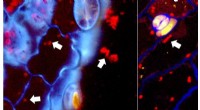
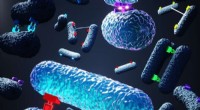
* Revealing the microscopic world: The naked eye can only see objects larger than about 0.1 mm. Microscopes allow biologists to visualize structures and organisms far smaller than this, opening up a whole world of biological processes that would otherwise be invisible.
* Understanding cell structure and function: Cells are the fundamental building blocks of life. Microscopes allow us to study the intricate details of cell structure, including organelles like the nucleus, mitochondria, and endoplasmic reticulum. This understanding is crucial for understanding how cells work and how they interact with each other.
* Investigating disease: Microscopes are essential for diagnosing and studying diseases. They allow scientists to identify pathogens, observe the effects of disease on cells and tissues, and develop new treatments and therapies.
* Analyzing biological samples: Microscopes are used to analyze a wide variety of biological samples, including tissues, blood, and even individual molecules. This allows researchers to study the structure and function of these samples at a microscopic level.
* Discovering new species: Microscopes have been instrumental in the discovery of countless new species of microorganisms, plants, and animals. They allow researchers to identify and characterize these species based on their unique microscopic features.
* Studying evolution: Microscopes can help us study the evolution of organisms by providing insights into the similarities and differences between different species at the cellular level.
* Advancing research in various fields: Microscopes are essential tools in fields such as immunology, genetics, developmental biology, and ecology. They allow researchers to study a wide range of biological processes at a microscopic level.
In short, the microscope is an indispensable tool for biologists, allowing them to explore the hidden world of cells, organisms, and biological processes, leading to a deeper understanding of life itself.