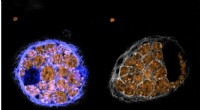
Parthenogenesis is a form of asexual reproduction in which an egg develops into an embryo without being fertilized by a sperm. This means that the offspring are genetically identical to the parent.
Here are some key points about parthenogenesis:
* Common in plants and invertebrates: It's found in various plant species, including some dandelions and strawberries, and in many invertebrates, such as aphids, rotifers, and some species of lizards.
* Less common in vertebrates: While rare in vertebrates, some examples include certain species of fish, amphibians, and reptiles.
* Types of parthenogenesis: There are several types, including:
* Haploid parthenogenesis: The egg develops without any chromosome reduction.
* Diploid parthenogenesis: The egg duplicates its chromosomes before development, resulting in a diploid offspring.
* Advantages and disadvantages: Parthenogenesis can be advantageous in stable environments where finding a mate is difficult. However, it can lead to a lack of genetic diversity, making populations more vulnerable to disease or environmental change.
Let me know if you'd like more information on any specific aspect of parthenogenesis!