Here's why:
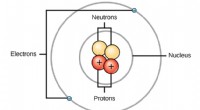
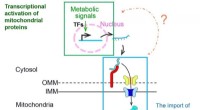
* Nucleus: Eukaryotic cells have a true nucleus, which is a membrane-bound organelle that contains the cell's genetic material (DNA).
* Membrane-bound organelles: Eukaryotic cells also have other internal compartments called organelles, each surrounded by its own membrane. These organelles include the mitochondria, endoplasmic reticulum, Golgi apparatus, lysosomes, and more.
In contrast, prokaryotic cells (like bacteria and archaea) lack a nucleus and membrane-bound organelles. Their genetic material is located in a region called the nucleoid, which is not enclosed by a membrane.