Here are some examples of autotrophs:
* Plants: These are the most familiar autotrophs. They use sunlight to convert carbon dioxide and water into sugars (their food) through photosynthesis.
* Algae: These are single-celled or multi-celled organisms that also perform photosynthesis. They are found in various environments, from fresh water to oceans.
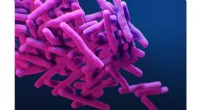
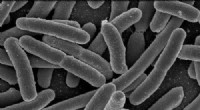
* Cyanobacteria: These are photosynthetic bacteria that are often called "blue-green algae." They play a crucial role in the Earth's oxygen production.
* Chemoautotrophs: These organisms use energy from chemical reactions, like the oxidation of sulfur or hydrogen sulfide, to produce food. They are found in extreme environments, like deep-sea vents.
All organisms that cannot make their own food and rely on eating other organisms for energy are called heterotrophs.