DNA as the blueprint of life:
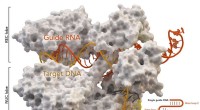
* Genetic Code: DNA contains the genetic instructions, or code, that determines an organism's traits, from eye color and hair texture to susceptibility to certain diseases.
* Genes: DNA is organized into units called genes, each carrying instructions for a specific protein or function. These proteins contribute to the development and functioning of an organism.
* Chromosomes: DNA is packaged into structures called chromosomes, ensuring its organized transfer during cell division. Each species has a specific number of chromosomes.
How DNA transmits heredity:
* Replication: When cells divide, DNA replicates itself, creating two identical copies. This allows for the transmission of genetic information from parent cells to daughter cells.
* Inheritance: During sexual reproduction, offspring inherit half of their DNA from their mother and half from their father. This mixing of genetic material leads to the unique combination of traits observed in each individual.
Examples:
* Eye color: A specific gene on a chromosome determines eye color. Each parent contributes one copy of this gene to their offspring. The combination of those genes determines the offspring's eye color.
* Genetic disorders: Mutations in DNA can lead to genetic disorders. These mutations can be inherited from parents or arise spontaneously.
In summary: DNA is the physical carrier of genetic information. Its structure and sequence determine the traits passed on from one generation to the next. Heredity is the process by which these traits are transmitted, ensuring the continuity of life and the diversity of species.