1. Isolating the Human Insulin Gene:
* Gene Cloning: Scientists first isolate the gene responsible for producing human insulin from human cells. This involves cutting the DNA at specific locations using restriction enzymes and inserting the insulin gene into a plasmid (a small circular piece of DNA found in bacteria).
* Gene Libraries: Large collections of DNA fragments (gene libraries) can be screened to find the specific insulin gene.
2. Inserting the Gene into Bacteria:
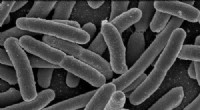
* Transformation: The modified plasmid containing the insulin gene is introduced into bacteria (usually *E. coli*). The bacteria take up the plasmid through a process called transformation. This creates genetically modified bacteria (GMOs).
3. Bacterial Production of Insulin:
* Transcription and Translation: The bacteria's own machinery reads the insulin gene and produces the corresponding protein (insulin) through transcription (DNA to RNA) and translation (RNA to protein).
* Expression: The bacteria now produce human insulin as part of their own cellular processes.
4. Harvesting and Purification:
* Fermentation: The genetically modified bacteria are grown in large fermentation tanks. They are fed nutrients and provided with optimal conditions to maximize insulin production.
* Purification: After the bacteria are grown, the insulin is extracted and purified from the bacterial culture. This involves several steps to remove bacterial components and ensure the purity of the insulin.
Key Advantages:
* Abundant Supply: Bacteria can be grown quickly and easily, providing a readily available and inexpensive source of insulin.
* Human Insulin: This process produces human insulin, which is much more effective and has fewer side effects compared to insulin derived from animals (e.g., pig or cow insulin).
* Ethical Considerations: It avoids ethical concerns associated with animal-derived insulin, such as the use of animals for this purpose.
Overall, genetic technology has revolutionized the production of insulin for people with diabetes. By harnessing the power of bacteria, we can now produce a safe, effective, and affordable supply of human insulin, significantly improving the lives of millions of people around the world.