Here's a breakdown:
* Nucleus: A membrane-bound organelle that contains the cell's genetic material (DNA).
* Membrane-bound organelles: These are structures within the cell that are enclosed by a membrane, such as mitochondria, Golgi apparatus, endoplasmic reticulum, lysosomes, and others. They each have specific functions that contribute to the overall operation of the cell.
Examples of eukaryotes include:
* Animals
* Plants
* Fungi
* Protists
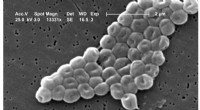
In contrast, prokaryotes (like bacteria and archaea) lack a nucleus and membrane-bound organelles. Their genetic material is located in a region called the nucleoid, which is not enclosed by a membrane.