1. Encoding Enzymes:
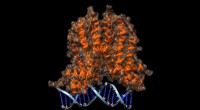
* Enzymes are the workhorses of metabolism. They catalyze (speed up) chemical reactions, breaking down molecules for energy or building new ones.
* Genes contain the code for building these enzymes. Each gene holds the instructions for a specific protein, including the enzymes needed for various metabolic pathways.
2. Regulating Metabolic Pathways:
* Metabolic pathways are complex sequences of reactions. They break down nutrients, synthesize essential molecules, and produce energy.
* Genes control the expression of enzymes. Some genes are switched on (expressed) when a specific metabolic pathway is needed, while others are switched off when not needed. This fine-tuning allows cells to adapt to changing conditions and energy demands.
3. Determining Cell Identity and Function:
* Different cell types have different metabolic needs. For example, muscle cells need to generate energy for contraction, while liver cells specialize in detoxification.
* Genes determine the specific set of enzymes produced in each cell type. This ensures that each cell has the necessary metabolic machinery to fulfill its function.
Examples of Genes Involved in Metabolism:
* Insulin receptor gene: Regulates glucose uptake and metabolism.
* Lactate dehydrogenase gene: Encodes an enzyme crucial for anaerobic energy production.
* Citrate synthase gene: Encodes an enzyme in the Krebs cycle, a key step in cellular respiration.
In summary:
Genes are the master controllers of cell metabolism. They provide the instructions for building enzymes, regulate metabolic pathways, and determine the specific metabolic functions of different cell types. Without genes, cells could not perform the essential processes required for life, such as energy production, biosynthesis, and waste removal.