Bacteria:
* Aerobic bacteria: These thrive in oxygen-rich environments, breaking down organic matter like dead plants and animals, contributing to nutrient cycling. Examples: *Pseudomonas*, *Bacillus*, *Nitrobacter*.
* Anaerobic bacteria: These live in low-oxygen zones, playing crucial roles in decomposition, nitrogen fixation, and sulfur cycling. Examples: *Clostridium*, *Desulfovibrio*.
* Cyanobacteria (blue-green algae): Photosynthetic bacteria, often forming blooms in warm, nutrient-rich waters. They produce oxygen and can be harmful if they release toxins.
Algae:
* Green algae: Microscopic, single-celled or filamentous algae, forming the base of the food chain. Examples: *Chlamydomonas*, *Spirogyra*.
* Diatoms: Single-celled algae with silica shells, highly abundant in many ponds. They contribute significantly to primary productivity.
* Euglenoids: Flagellated algae with a flexible body, able to photosynthesize and ingest food. Examples: *Euglena*.
Protozoa:
* Ciliates: Single-celled organisms with hair-like cilia for movement and feeding. They prey on bacteria and other protozoa. Examples: *Paramecium*, *Stentor*.
* Flagellates: Single-celled organisms with whip-like flagella for movement. Some are photosynthetic, while others are predatory. Examples: *Chlamydomonas*, *Trypanosoma*.
* Amoebas: Single-celled organisms that move by extending pseudopodia (false feet). They engulf their prey by phagocytosis.
Fungi:
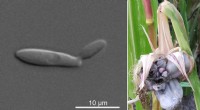
* Yeasts: Single-celled fungi, often found in decaying matter and contributing to fermentation.
* Molds: Filamentous fungi, often visible as fuzz on decaying organic matter.
Viruses:
* Bacteriophages: Viruses that infect bacteria. They play a significant role in regulating bacterial populations.
* Other viruses: Viruses can infect various organisms in the pond ecosystem, including algae, protozoa, and even fish.
Other Microorganisms:
* Rotifers: Tiny multicellular animals with cilia for feeding. They are important consumers of algae and bacteria.
* Nematodes: Microscopic roundworms, often found in sediments and contributing to decomposition.
The specific composition of microorganisms in a pond will depend on factors like:
* Water temperature: Warmer water favors bacteria and algae growth.
* Nutrient levels: High levels of nutrients like nitrogen and phosphorus lead to algal blooms.
* pH: Acidity or alkalinity can influence the types of organisms that can survive.
* Oxygen levels: Oxygen-rich waters support aerobic bacteria and algae.
Microorganisms in pond water play crucial roles in the ecosystem, such as:
* Primary production: Algae are primary producers, converting sunlight into food.
* Nutrient cycling: Microorganisms decompose organic matter, releasing nutrients back into the water.
* Food chain: Microorganisms are a primary food source for larger organisms like zooplankton and fish.
* Water purification: Some microorganisms can break down pollutants in the water.
Overall, pond water is a dynamic microcosm of life, with countless microorganisms contributing to its health and balance.