* Concentration Gradient: There's a higher concentration of oxygen in the blood (which has just picked it up from the lungs) compared to the inside of cells. This creates a concentration gradient, where oxygen wants to move from an area of high concentration to an area of low concentration.
* Passive Transport: Diffusion is a form of passive transport, meaning it doesn't require the cell to expend energy to move the oxygen. The oxygen molecules simply move along the concentration gradient, from the blood to the cell, driven by the random motion of molecules.
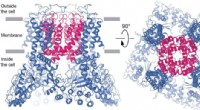
* Cell Membrane: The cell membrane, which acts as a barrier between the cell's interior and the outside environment, is selectively permeable. This means that it allows certain molecules, like oxygen, to pass through while blocking others.
In summary: The difference in oxygen concentration between the blood and the cell, combined with the cell membrane's permeability, allows oxygen to diffuse into the cell without the need for energy expenditure by the cell.