Osmosis:
* Osmosis is the movement of water molecules across a semipermeable membrane from an area of high water concentration to an area of low water concentration.
* It is a passive process, meaning it doesn't directly require the cell to spend energy. Water moves down its concentration gradient, driven by entropy (the tendency for things to become more disordered).
Active Transport:
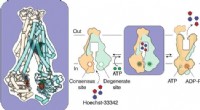
* Active transport is the movement of molecules across a membrane against their concentration gradient (from low concentration to high concentration).
* This process requires energy because it's going "uphill" against the natural tendency of molecules to spread out. The cell uses energy from ATP (adenosine triphosphate) to power these pumps.
So, the answer to your question depends on what you mean by "osmosis molecules":
* If you mean water molecules: No, the cell doesn't directly use energy for the movement of water during osmosis.
* If you mean other molecules moving across the membrane alongside water due to osmotic pressure: This is more complicated. The movement of these other molecules might be influenced by the osmotic pressure, but they could also be subject to active transport mechanisms if they need to move against their concentration gradient.
In summary:
* Osmosis itself is passive and doesn't require energy.
* Active transport requires energy to move molecules against their concentration gradient.
* The movement of molecules besides water during osmosis can be influenced by the osmotic pressure, but they may also be subject to active transport.