1. Water Movement:
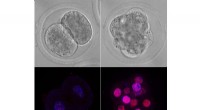
* Hypotonic Solution: When a cell is placed in a hypotonic solution (lower solute concentration outside the cell than inside), water moves into the cell via osmosis. This influx of water causes the cell to swell and potentially burst (lysis) if the membrane cannot withstand the pressure.
* Hypertonic Solution: In a hypertonic solution (higher solute concentration outside the cell than inside), water moves out of the cell through osmosis. This loss of water causes the cell to shrink and become crenated.
* Isotonic Solution: When the solute concentration is the same inside and outside the cell (isotonic solution), water moves in and out at equal rates, maintaining the cell's normal shape.
2. Cell Wall Influence (in plant cells):
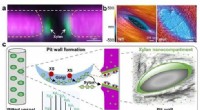
* Plant cells have a rigid cell wall that provides structural support and limits the expansion of the cell. When water enters a plant cell, the central vacuole expands, pushing against the cell wall and creating turgor pressure. This pressure contributes to the cell's rigidity and helps maintain its shape.
* If the plant cell is in a hypertonic environment, water leaves the cell, the vacuole shrinks, and turgor pressure decreases. This can lead to wilting, where the plant loses its upright shape.
3. Animal Cell Shape:
* Animal cells lack a rigid cell wall, so they rely heavily on osmotic balance to maintain their shape. They are more prone to lysis in hypotonic solutions and crenation in hypertonic solutions.
Examples:
* Red Blood Cells: Red blood cells maintain their biconcave shape in isotonic solutions. In hypotonic solutions, they swell and can burst. In hypertonic solutions, they shrink and become crenated.
* Plant Cells: Plant cells become turgid (firm) in hypotonic solutions due to the expansion of the central vacuole. They wilt in hypertonic solutions as water leaves the cell.
Conclusion:
Osmosis significantly influences the shape of a cell by regulating the movement of water across the cell membrane. Depending on the concentration of solutes inside and outside the cell, water movement can cause the cell to swell, shrink, or maintain its normal shape. The presence of a cell wall in plant cells also plays a crucial role in maintaining cell shape by providing rigidity and resisting osmotic pressure changes.