* Hypertonic solution: This means the concentration of solutes (like salts and sugars) is higher outside the cell than inside the cell.
* Osmosis: Water naturally moves from areas of high water concentration to areas of low water concentration. In this case, the water inside the cell will move out into the hypertonic solution to try and balance the solute concentration.
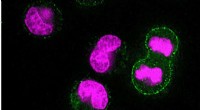
* Shrinking: As water leaves the cell, the cell shrinks, a process called crenation. This can be harmful to the cell, potentially damaging its organelles and disrupting its normal function.
Think of it like this: Imagine a balloon filled with water. If you place it in a salty solution, the water from the balloon will be drawn out to try and dilute the salt outside. The balloon will shrink as a result.
Important Note: Plant cells are different. They have a rigid cell wall that prevents them from shrinking completely when placed in a hypertonic solution. Instead, the cell membrane pulls away from the cell wall, a process called plasmolysis.