From a purely scientific standpoint, all organisms are important:
* Ecological Roles: Every organism plays a role in its ecosystem, no matter how small. From decomposers breaking down waste to apex predators controlling populations, each organism contributes to the balance and stability of its environment.
* Evolutionary Significance: Every species is a product of millions of years of evolution, carrying unique genetic information. This diversity is essential for adaptability and resilience in the face of changing environments.
* Interconnectedness: All life on Earth is interconnected. Even seemingly insignificant organisms can have cascading effects on other species and ecosystems.
However, from a human-centric perspective, certain organisms hold greater perceived importance:
* Economic Value: Many organisms are essential for food, medicine, agriculture, and other industries. For example, crops, livestock, and medicinal plants are crucial for human survival and prosperity.
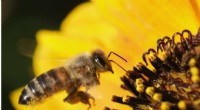
* Ecosystem Services: Certain organisms provide essential services like pollination, water filtration, and carbon sequestration. These services directly benefit humans and contribute to a healthy planet.
* Ethical Considerations: Humans often ascribe greater moral value to species we consider intelligent, sentient, or aesthetically pleasing. This can lead to biased conservation efforts.
It's crucial to acknowledge the limitations of human-centric viewpoints:
* Bias and Anthropocentrism: Our tendency to prioritize human needs and interests can lead to an undervaluation of other species.
* Complexity and Uncertainty: It's difficult to truly understand the interconnectedness of all life and the long-term consequences of disrupting ecosystems.
* Intrinsic Value: All organisms possess intrinsic value, regardless of their utility to humans. Every species deserves to exist and thrive.
Ultimately, the question of whether some organisms are more important than others is a philosophical one. It's important to consider both the scientific understanding of interconnectedness and the ethical responsibility to protect all life on Earth.
Instead of ranking organisms by importance, we should strive for a deeper understanding of their interconnected roles and strive to conserve biodiversity for the sake of the planet and its future.