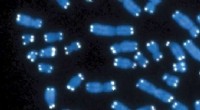
1. Cell Division: The most fundamental aspect is mitosis, the process where a single cell divides into two identical daughter cells. This rapid cell division creates a vast number of cells, forming the different tissues and organs of the embryo.
2. Cell Differentiation: As cells divide, they also specialize into different types. This process, called differentiation, is controlled by genes and signals from surrounding cells. Different cell types, like muscle cells, nerve cells, and skin cells, develop distinct functions and structures.
3. Morphogenesis: This refers to the shaping and organization of the embryo. Cells move and interact with each other to form specific tissues and organs in their correct positions. This is guided by chemical signals, mechanical forces, and cell-cell interactions.
4. Growth Factors: These are proteins that stimulate cell division and differentiation. They play a crucial role in regulating the growth and development of specific tissues and organs.
5. Nutrients and Oxygen: The embryo receives essential nutrients and oxygen from the mother through the placenta (in mammals). These are vital for providing energy and building blocks for cell growth and development.
6. Genetic Program: The embryo's DNA, inherited from both parents, contains the genetic blueprint for its development. It dictates the timing, sequence, and pattern of cell division, differentiation, and morphogenesis.
7. Environmental Factors: The environment within the uterus, including hormone levels and the mother's health, can also influence embryonic development.
In summary, embryonic growth is a highly orchestrated process involving rapid cell division, differentiation, and morphogenesis, all regulated by genetic instructions, growth factors, nutrients, and environmental factors.