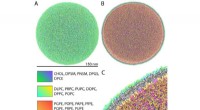
1. Plasma membrane: This is the outer boundary of the cell, acting as a selectively permeable barrier controlling what enters and exits.
2. Nucleus: Found in eukaryotic cells, the nucleus houses the cell's genetic material (DNA) in the form of chromosomes. It also plays a crucial role in controlling cell activities and protein synthesis.
3. Organelles: These are specialized structures within the cell, each performing specific functions:
* Endoplasmic reticulum (ER): Network of membranes involved in protein and lipid synthesis, as well as detoxification.
* Golgi apparatus: Modifies, sorts, and packages proteins and lipids for secretion or delivery to other organelles.
* Mitochondria: Powerhouses of the cell, responsible for generating ATP (energy) through cellular respiration.
* Lysosomes: Contain enzymes for digesting waste materials and cellular debris.
* Peroxisomes: Involved in detoxification and lipid metabolism.
* Vacuoles: Large storage compartments in plant cells, containing water, nutrients, and waste products.
* Ribosomes: Sites of protein synthesis.
* Centrioles: Involved in cell division in animal cells.
* Chloroplasts: In plant cells, responsible for photosynthesis.
4. Cytoskeleton: A network of protein filaments that provides structure, support, and helps with movement within the cell.
5. Cell wall: Present in plant cells, bacteria, and fungi, providing structural support and protection.
6. Extracellular matrix: Found in animal cells, this is a complex network of proteins and carbohydrates surrounding the cell, providing support, adhesion, and communication.
7. Inclusions: These are non-living structures within the cell, like storage granules (e.g., glycogen) or pigment granules.
It's important to remember that the specific components present in a cell can vary depending on the type of cell and its function.