Metablomics is a scientific field that focuses on analyzing all the metabolites present in a biological sample at a given time. Metabolites are small molecules that are involved in the chemical processes of life, including:
* Intermediates and products of metabolism: These molecules are involved in the breakdown of food for energy and the building blocks for cells.
* Signaling molecules: These molecules help cells communicate with each other and respond to changes in the environment.
* Hormones: These molecules act as chemical messengers in the body.
Think of metablomics as a snapshot of the biochemical state of a cell, tissue, or organism at a specific moment.
Here's how it differs from other "-omics" fields:
* Genomics: Studies the complete set of genes in an organism.
* Transcriptomics: Studies the complete set of RNA transcripts in a cell or organism.
* Proteomics: Studies the complete set of proteins in a cell or organism.
Metablomics is further downstream in the biological hierarchy than genomics, transcriptomics, and proteomics. This means it provides a more immediate and dynamic view of the cell's state, as it captures the products of gene expression and protein activity.
What are the applications of metablomics?
* Disease diagnosis and monitoring: Metabolomics can be used to identify biomarkers for diseases, such as cancer, diabetes, and heart disease.
* Drug discovery and development: Metablomics can be used to identify potential drug targets and assess the effects of drugs on metabolism.
* Nutrition and health: Metablomics can be used to study the effects of diet and lifestyle on metabolism and health.
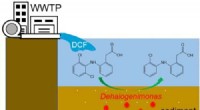
* Environmental monitoring: Metablomics can be used to assess the impact of environmental pollutants on organisms.
Challenges of metablomics:
* Complexity of the metabolome: The metabolome is highly complex, containing thousands of different metabolites.
* High variability: The metabolome can be highly variable between individuals, even within the same species.
* Lack of standardization: There is no standardized approach to metabolomics, which can make it difficult to compare data across studies.
Despite these challenges, metablomics is a rapidly growing field with the potential to revolutionize our understanding of biology and disease.